
A movement to restore worship, prayer, and God’s manifest presence as the foundation of the church.
About Presence-Centered Church
Mission & Vision
Foundation
Our Mission
The Presence-Centered Church movement exists to cultivate a family of churches marked by relational connection, mutual accountability, the priority of God’s presence, and a shared apostolic vision for revival and global mission.
We believe the church was designed to be more than an organization, a Sunday service, or a social gathering.
The church is the dwelling place of God—a living temple where His presence rests, where believers are formed into the image of Christ, and where the gospel goes forth in power.
Our mission is simple: to help pastors, leaders, and churches return to the biblical pattern of presence-centered ministry, where worship and prayer are not peripherals but the very heartbeat of everything we do.
Our Vision
We envision a global family of churches that:
- Minister to the Lord first through worship-led prayer and continuous encounter with God
- Build authentic community around transparency, accountability, and Spirit-led discipleship
- Engage in gospel mission with compassion for the lost, the poor, and the nations
- Walk in relational unity across denominations, cultures, and generations
- Prepare the Bride for the return of Christ through faithfulness, holiness, and joy
This vision is rooted in the biblical patterns of David’s Tabernacle, the church at Antioch, and the apostle Paul’s teaching on the church as God’s temple. It’s not a new model—it’s a return to what the church has always been called to be.
Our Foundation: Altar, Table, Road
Every Presence-Centered Church is built on three essential pillars. These aren’t programs to add to your church—they are the organizing principles that shape the culture and identity of a presence-centered community.
These three pillars aren’t independent programs—they’re an integrated framework that works together. The Altar represents your vertical relationship with God through worship and prayer. The Table represents your horizontal relationships through authentic community and discipleship. The Road represents your outward mission to the lost and hurting. When all three are cultivated with the Altar as the foundation, you build a church that hosts God’s presence and advances His kingdom naturally.
ALTAR — WORSHIP & PRAYER
The Altar represents ministry to the Lord—the priority of God’s presence in the life of the church. This is where we learn to love Jesus first, to minister to Him before we minister to people, and to build everything on the foundation of encounter with God.
Biblical Foundation:
- Acts 13:2 — The church at Antioch “ministered to the Lord”
- 1 Peter 2:5 — We are a “holy priesthood” offering spiritual sacrifices
- Ephesians 2:22 — We are “built together as a dwelling place for God”
In Practice, This Means:
- Prioritizing regular corporate prayer and worship
- Establishing “irreplaceable” prayer meetings led by senior leaders
- Cultivating a worship-led culture in gatherings
- Encouraging personal devotional rhythms among believers
- Building the church around God’s presence, not programs
TABLE — SPIRITUAL FAMILY & DISCIPLESHIP
The Table represents **authentic community and discipleship**—the relational life of the church. This is where we grow together, carry one another’s burdens, walk in accountability, and are formed into mature disciples who make disciples.
Biblical Foundation:
- Acts 2:42 — “They devoted themselves to the apostles’ teaching and fellowship”
- Ephesians 4:15-16 — “Growing up in every way into Christ… building itself up in love”
- James 5:16 — “Confess your sins to one another and pray for one another”
In Practice, This Means:
- Small groups and pastoral care built on authenticity and vulnerability
- Transparent, accountable relationships among leaders and members
- Intentional discipleship pathways and formation environments
- Whole-hearted living principles for spiritual health
- Conflict resolution rooted in humility and reconciliation
ROAD — MISSION & EVANGELISM
The Road represents **gospel mission and evangelism**—taking the presence of God we’ve encountered at the Altar and the community we’ve built at the Table into the world. This is where we serve the lost, care for the poor, and carry the gospel to the nations.
Biblical Foundation:
- Matthew 28:19-20 — “Go therefore and make disciples of all nations”
- Acts 1:8 — “You will be my witnesses… to the end of the earth”
- Micah 6:8 — “Do justice, love mercy, and walk humbly with your God”
In Practice, This Means:
- Local outreach and compassion ministry to those in need
- Evangelism and gospel proclamation in our communities
- Regional and national mission partnerships
- Global missions focus on unreached people groups
- Sending and supporting long-term missionaries
Who We Serve
Presence-Centered Church exists to equip and encourage:
PC³ Board of Directors
The Presence-Centered Communion of Churches (PC³) is governed by a board of experienced pastors and leaders who share a common vision for presence-centered ministry and global mission.
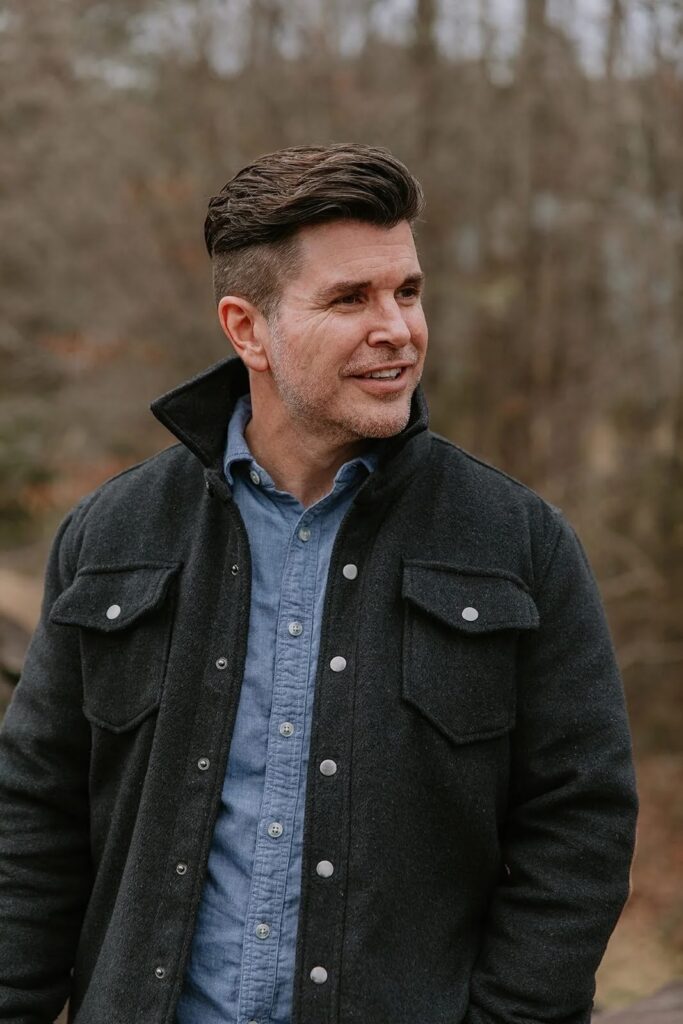
Billy Humphrey is the senior pastor of GateCity Church, a multi-site, presence-centered church with campuses across metro Atlanta. Billy is a teacher, author, and advocate for continuous worship and prayer as the foundation of the local church. GateCity hosts a 24/7 prayer room and serves as a model for presence-centered ministry.
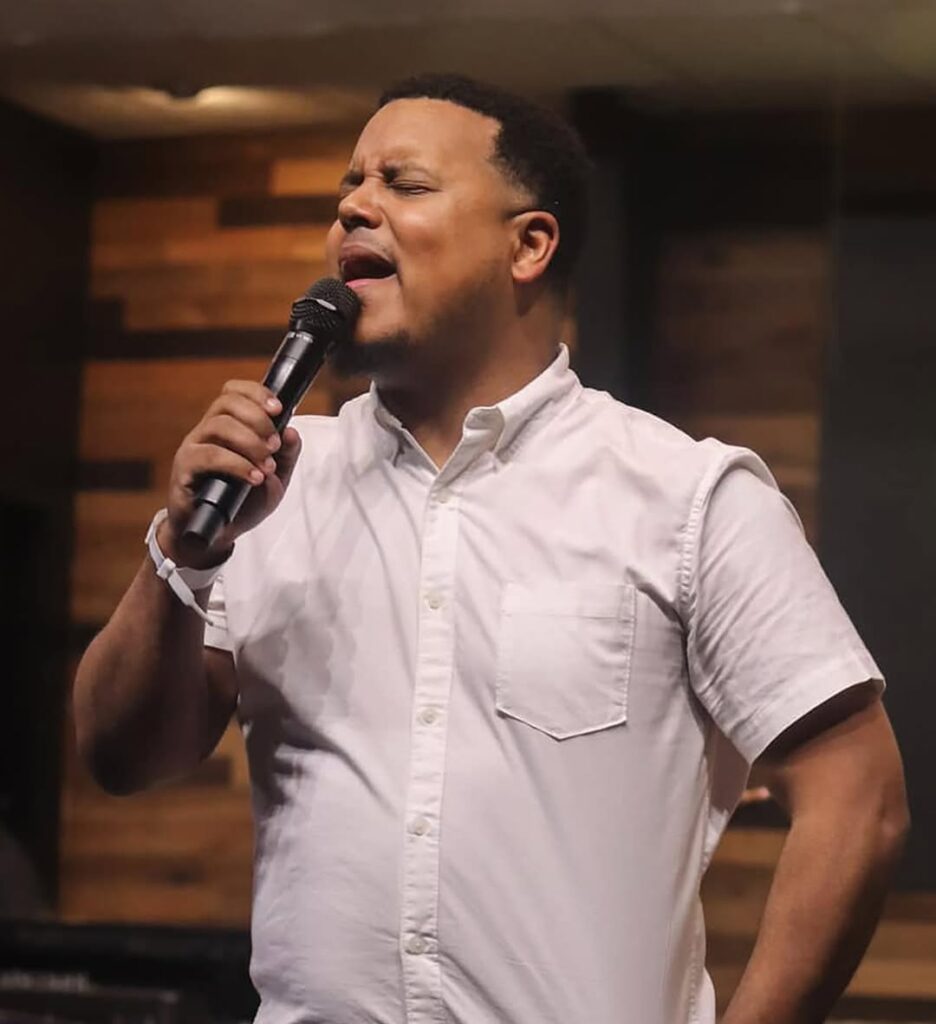
Brian Williams is the lead pastor of Hope City Church, where he leads a community committed to worship, discipleship, and compassionate outreach.
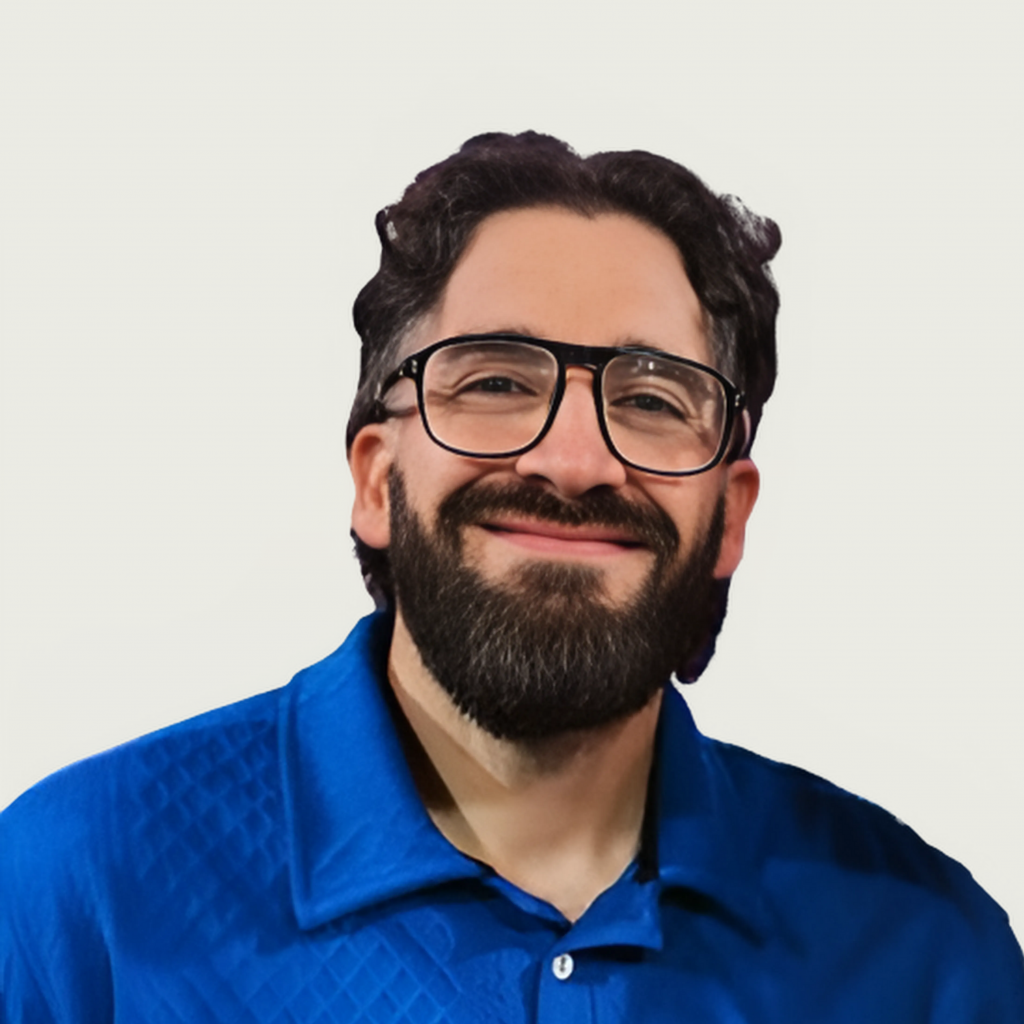
Gio Munoz leads Abide, a ministry focused on cultivating intimacy with God through worship, prayer, and discipleship. Gio is passionate about helping believers encounter God's presence and live from a place of deep spiritual rootedness.
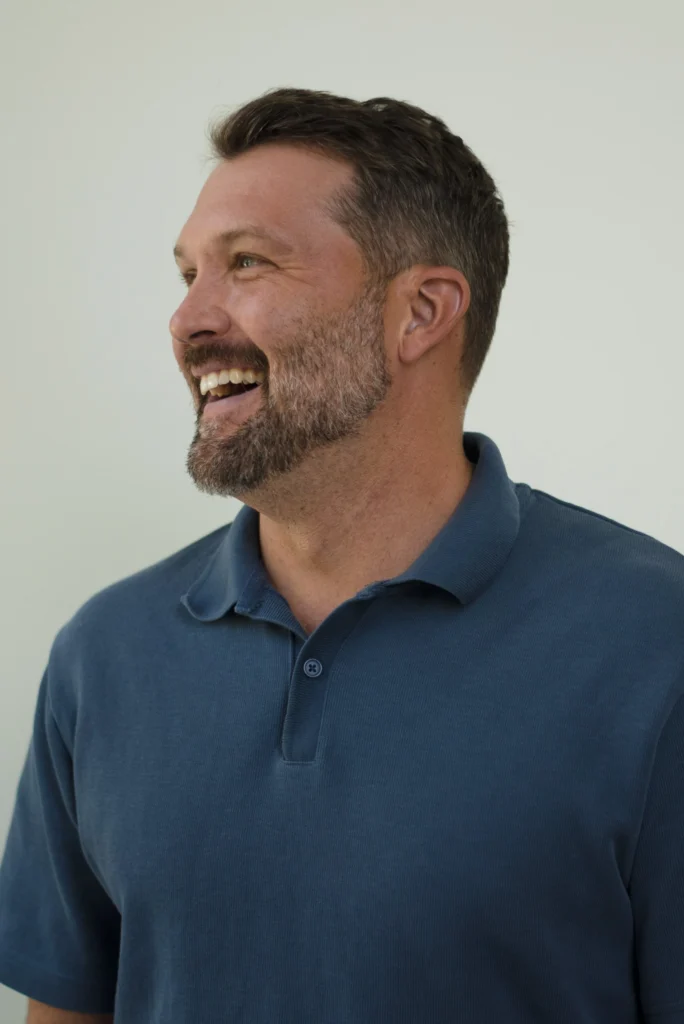
Randy Martinez is the founder and president of MAPS Global, an organization dedicated to equipping and sending missionaries to unreached people groups. With decades of experience in global missions, Randy carries a passion for seeing the church mobilized for the Great Commission and grounded in worship and prayer.
Become a part of the PC3 Network.
PC3 Network Overview
The PC³ Board provides spiritual oversight, relational connection, and strategic direction for the network. As the communion grows, additional board members may be added by discernment and consensus.
PC3 Accountability Standards
These standards define minimum expectations for integrity, safety, and relational health within every PC3 member church. They ensure a culture where leaders walk in the light, maintain trust, and protect the flock.
1. Transparent Leadership Culture
- Leaders are honest and open and transparent regarding personal life, marriage, finances, and conduct.
- Each leader is accountable to a group of elders
- Leaders submit voluntarily correction if needed.
2. Functional Oversight & Governance
- The church must have a clearly defined governance structure (board, elders, or oversight team).
- Accountability relationships must be real, active, and documented—not honorary or symbolic.
- Annual review of leadership health and governance practices.
3. Financial Accountability
- Maintains open-books financial transparency for PCCC review when required.
- Uses at least two unrelated individuals for handling, counting, and recording church funds.
- Pastoral compensation set by a board or third-party—not by the individual pastor.
- Annual independent financial review (or audit for larger churches).
4. Moral & Ethical Integrity
- Leaders must uphold sexual purity with proactive safeguards in place (policies, boundaries, digital accountability, etc.).
- Immediate reporting and investigation protocols for any accusation of misconduct.
- Clear conflict-of-interest policies for hiring, finances, and ministry relationships.
5. Relational Accountability & Discipleship
- Pastors/leaders participate in a relational monthly cohort for ongoing encouragement and relational connection.
- Leaders maintain a posture of teachability—open to input, feedback, and sharpening.
- Churches must foster a culture where leaders are not isolated or self-governing.
6. Whistleblower Protection & Reporting Safety
- A formal whistleblower policy must be in place and communicated publicly.
- Multiple pathways for reporting concerns (board, external overseers, PC3 if appropriate).
7. Clear Discipline & Restoration Processes
- Predefined processes for addressing moral failure, abuse, or disqualifying behavior.
- Biblical restoration pathways for leaders who repent—never rushed or superficial.
- External oversight invited when the issue affects eldership objectivity.
PC3 Recommended Church Polity
A unified, presence-centered, biblically rooted governance model for PC3 Churches
I. Ecclesiology: What a Presence-Centered Church Is
Every church affirms a shared biblical understanding of the Church:
- A Dwelling Place for God’s Presence
The church is a spiritual family built together as a dwelling place for God (Eph. 2:19–22).
Member churches prioritize:
- Worship & Prayer
- Life together in sincere love
- Gospel Proclamation
- Making Disciples
- Missions to the Nations
- Local Congregation, Connected Body
The church is both:
- Local — a gathered community with recognized leaders and rhythms
- Citywide/Universal — interdependent with other believers as one body (Acts 14:23; 16:4)
Member churches maintain their local identity while engaging in relational connection through the Communion.
- Fivefold Equipping Ministry (Eph. 4:11–15)
Churches affirm and welcome apostolic, prophetic, evangelistic, pastoral, and teaching gifts functioning from within the local church to equip the saints for the works of ministry and maturity of the body.
- Missional Calling
Churches engage in ministry “in Jerusalem, Judea, Samaria, and the ends of the earth” (Acts 1:8), taking the gospel into their communities, regions, and the nations.
II. Basic Polity Recommendation for PC3 Churches
This section provides a simple and universal leadership model that can be contextualized but helps a church to remain biblically consistent and internally aligned.
- Spiritual Governance: Plural Eldership
Every member church must have a plurality of elders who shepherd the spiritual life of the church to preserve biblical authority, prevents isolation, and ensures accountability.
- The role of Elders is to:
- Lead in prayer and worship
- Guard doctrine
- Shepherd the people
- Equip leaders
- Serve with humility
- Congregational Participation
While elders lead the church, the congregation actively participates through:
- Prayer, fasting, worship, and discernment
- Service and outreach
- Generosity and stewardship
- Missional engagement
For major decisions (e.g., appointing elders, major church discipline, or significant initiatives), elders communicate clearly, seek prayerful unity, and invite strategic participation from their board, their leaders, and church members according to their context.
- Legal Governance / Board of Directors
Every PC3 church operating as a nonprofit must maintain a functioning legal board that:
- Provides accountability for finances, ethics, and administrative integrity
- Reviews annual budgets and major expenditures
- Ensures legal compliance and transparency
- Holds church leadership to standards of purity, conduct, and stewardship
The board should include:
- A majority of non-compensated members
- At least some non-members or external advisors to ensure objectivity
This layer reinforces integrity and protects the church legally and financially.
- Integration of All Governance Layers
Healthy polity requires alignment among:
- Eldership
- Congregational participation
- Legal governance
Together these create:
- Clear lines of authority
- Shared responsibility
- Mutual submission
- Accountability rooted in relational family
- a Spirit-led, presence-centered leadership culture
IV. Summary: The PC3 Basic Polity Model
PC3 churches commit to a biblical governance model rooted in plural eldership, relational alignment, congregational participation, and transparent legal governance. This integrated polity ensures spiritual health, accountability, unity, and Spirit-led mission while allowing each church to retain its unique calling and contextual expression.
PC3 Recommended Church Framework
Presence-Centered Prayer-Based
- Church is firstly for God
- Worship Led Culture
- Leader Led, Irreplaceable Prayer Meetings
Key distinctive: Each location hosts a live prayer room that has the intention to grow to 24/7
Neighborhoods to Nations
- Culture of Invitation
- Evangelism to the lost and Outreach hurting and in need
- Mission sowing, training, and sending
Key distinctive: Our mission works emphasize unreached people groups
Open & Vulnerable Hearts
- Fellowship between believers built on authenticity and vulnerability
- Utilizing whole-hearted living for meeting and spiritual formation frameworks
- Discipleship frameworks are designed to see believers become spiritually formed disciples who make disciples
Key distinctive: We are committed to maintaining openness, vulnerability, and accountability in leadership, fellowship, discipleship, and through conflict
Elder-Led
- Each location has a lead elder who is a senior among the local elder team
- Each senior elder is a part of a city-wide elder team
- The city-wide team operates as a plurality of elders in mutual submission with a senior elder who is the first among equals
Key distinctive: There is authority lines while maintaining mutual submission in a first among equals model of local and citywide eldership
Key Messages
- Knowledge of God – Father Heart, Bridal Paradigm, FWTHS, Priesthood, Friendship
- Kingdom Lifestyle – SOTM, Upper Room Discourse
- Justice & Compassion – Lost, Poor, Hurting, Church, Across Cultures
- Breakthrough & Revival – Prophetic, Healing, Miracles, Deliverance, Awakening
- Eschatology – Preparing the way, Continuity between ages, Kingdom to come